Centella asiatica
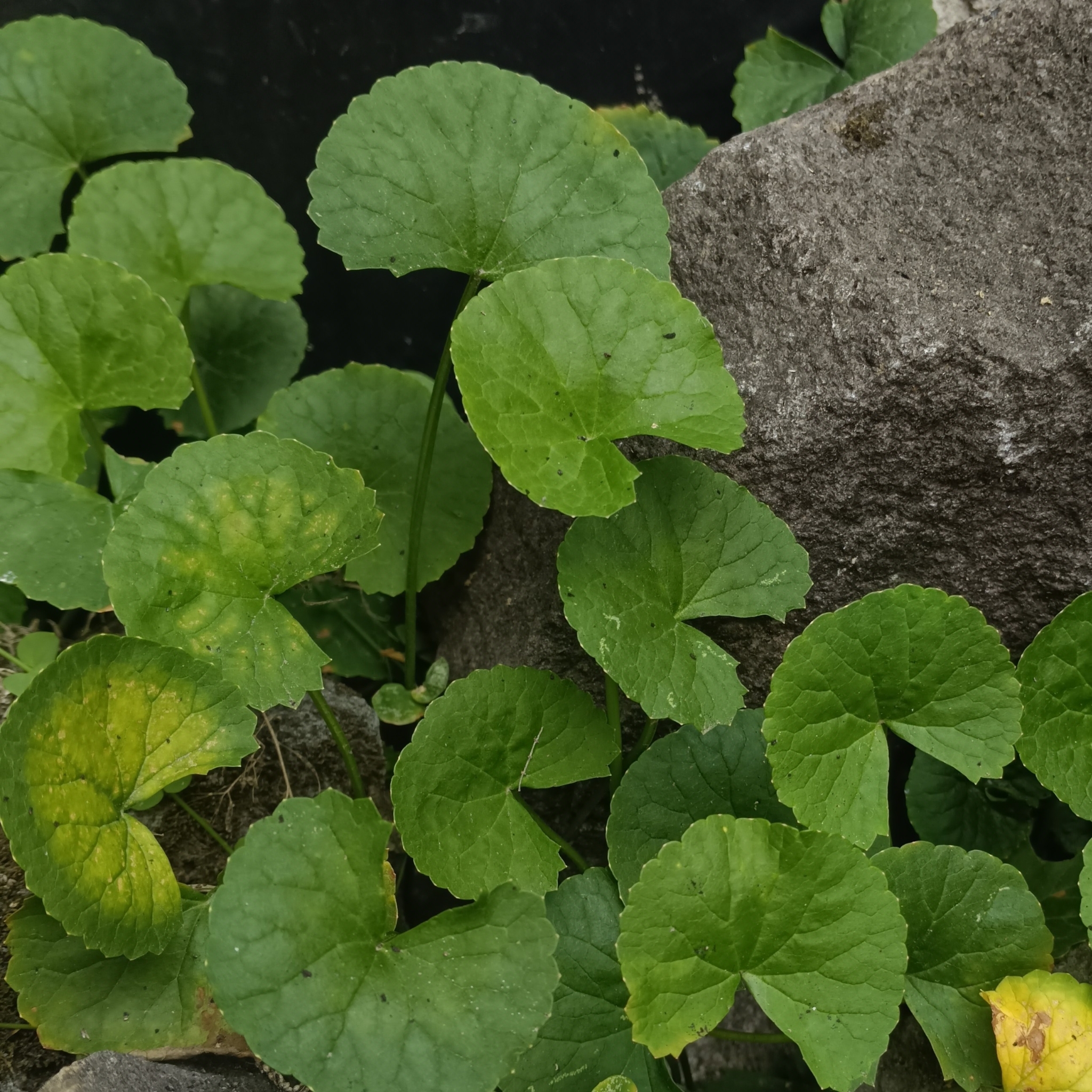
Gotu Kola
A rejuvenating tonic for mind, nerves, skin, and connective tissues.
Asiatica refers to the plant’s native range across tropical Asia. In Sanskrit, the name mandūka-parnī (“frog-leaf”) describes the leaves’ resemblance to webbed frog’s feet. Another traditional name, Brahmi, connects the herb to the knowledge of Brahman, the universal consciousness, reflecting its revered use as a memory and meditation aid. In English, it is often called pennywort, since the rounded leaves resemble coins, and in Chinese medicine it is sometimes known as Ji Xue Cao (“blood herb”), referencing its use in promoting circulation and wound healing.
Improves mental clarity, alertness, concentration, and memory. Increases oxygenation to the brain and reduces oxidative stress. Aids in treating individuals suffering from memory loss and senility, and delays the progression of Alzheimers and global dementia. Support ADHD, Aspergers syndrome, and autism. Adjunct therapy for epileptics.
Calms central nervous system, with antidepressant qualities and aids in seasonal affective disorder. Adjunct for individuals weaning from antidepressant pharmaceuticals.
Connective tissue tonic, stimulating keratinization of the epidermis and decreases tissue fibrosis. Standardized extract aids in treating keloids and hypertrophic scars. While scar tissue is forming it reduces the inflammatory phase and hastens scar tissue maturation.
Heals post-surgical wounds, skin grafts, burns, broken bones, fractures, sprains, strains, and bruises. Vaginal tearing in childbirth. Speeds healing of wounds and ulcers.
Aids in skin healing conditions such as eczema, psoriasis, acne and urticaria. Improves blood flow to skin reducing wrinkling, and delays the aging process. Decreases cellulite and reduces skin hardening.
Reduce hepatic fibrosis in individuals with alcohol-induced cirrhosis
Stress related peptic-ulcers.
Improves integrity of blood vessels, venous insufficiency, varicose veins, and hemorrhoids. Enhances elasticity of blood vessels treating hypertension and atherosclerosis. Reduced edema and venous distention in the lower extremities especially the ankles and feet
Treat hypothyroidism because it improves clarity and vitality, reduces depression and support weight loss.
Topical application aids in hair loss.
Perennial herbaceous ground cover .5 - 10+cm tall with prostrate, creeping stems that root at the nodes. The kidney-shaped minutely hairy leaves 2- 3 cm long are palmately veined with undulating, slightly lobed, or dentate margins. The leaf bases sheathe around the stem, like other members of Apiaceae.
The inflorescences are tiny, simple umbels of 2 - 4 flowers each subtended by 2 involucral bractson short peduncles 2 - 8 mm long that grow from leaf axils. The almost sessile, minute flowers have five vestigial sepals, 5 white to pinkish valvate petals, 5 stamens, 2 styles, and 2 fused carpels. The fruit 5 mm long is a 2 parted ribbed ovate schizocarp.
Avoid using during an acute illness or menstruation.
Well-tolerated by most individuals, however excessive doses can cause a headache, dizziness, and vertigo/ Although it is rare internal or topical use can aggravate itching, and topical use can cause contact dermatitis. Avoid use in individuals with hypothyroidism, or if it is too stimulating to the nervous system. Consuming in the late afternoon or evening can cause insomnia in some individuals.
Tincture: 15 - 60 drops three times a day
Fluid Extract: 10 - 60 drops three times a day
Succus: in the morning 10 - 20ml
Tea: 8 - 12 ounces three times a day
Culinary: 1 teaspoon to 1 tablespoon, 6 - 12 ounces up to two times a day
Christa Sinadinos, David Hoffman, Bryan Bowen, and notes from relevant CSHS lecturers.